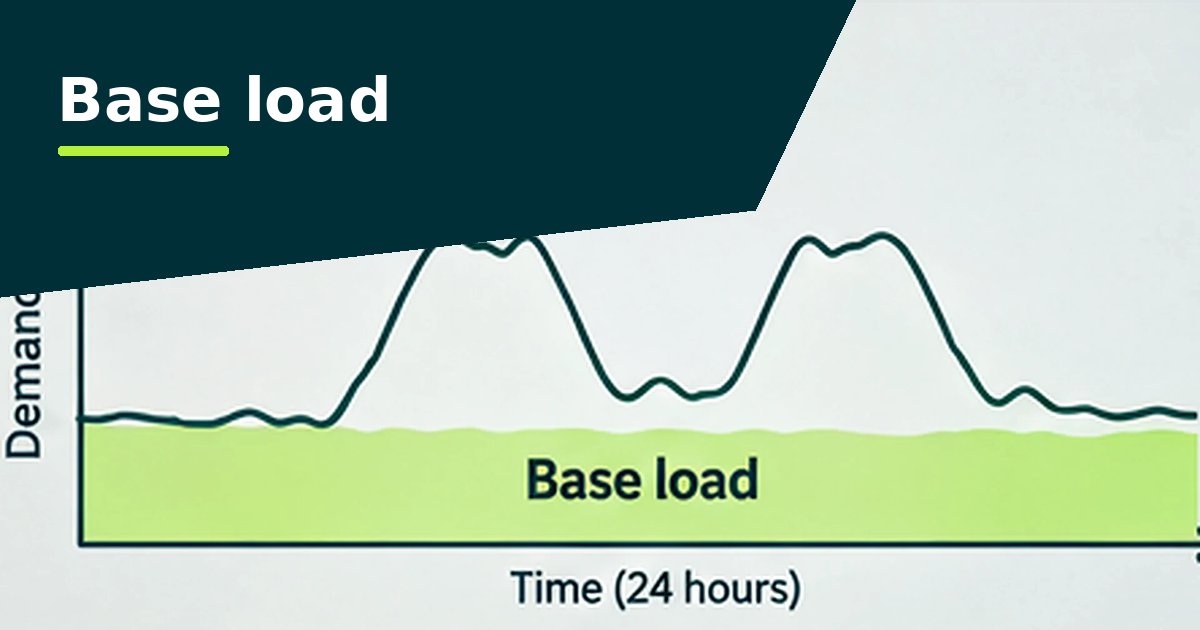
Leisure centres with pools are usually a council's most energy-intensive buildings, because water treatment and pool hall air handling run around the clock. Energy is typically an operator's second biggest cost after staff, and leisure can make up as much as 40% of some councils' direct emissions.1 The biggest wins are pool covers, plant setback at night, heat recovery and solar.
See it in practice: worked example of a council leisure centre.
What to look for in the data
- Base load creep. If the overnight level steps up and stays up, pool hall plant may have stopped setting back. The analyser flags lasting changes like this.
- Summer peaks. Gym cooling on hot afternoons can set the year's highest demand.
- Headroom. Before specifying a pool heat pump, check the supply can take it in winter.
Funding
The Swimming Pool Support Fund put £80 million into council pools in England in two phases.2 Phase II shared £60 million between 325 pools in more than 260 local authorities, for measures such as pool covers, solar and variable speed pumps.3
Operator contracts
Many council leisure centres are run by a trust or contractor. Check who pays the energy bill, who owns the plant and who benefits from savings before planning works.
Sources
Checked 28 November 2026.
Questions people ask
Why do leisure centres use so much electricity?
Pool filtration, circulation and pool hall air handling run around the clock, so base load is high. Gym cooling and lighting add to it during opening hours.
What saves the most energy in a swimming pool?
Usually pool covers, setting pool hall plant back at night, heat recovery from ventilation, and solar, which a pool can use almost entirely.