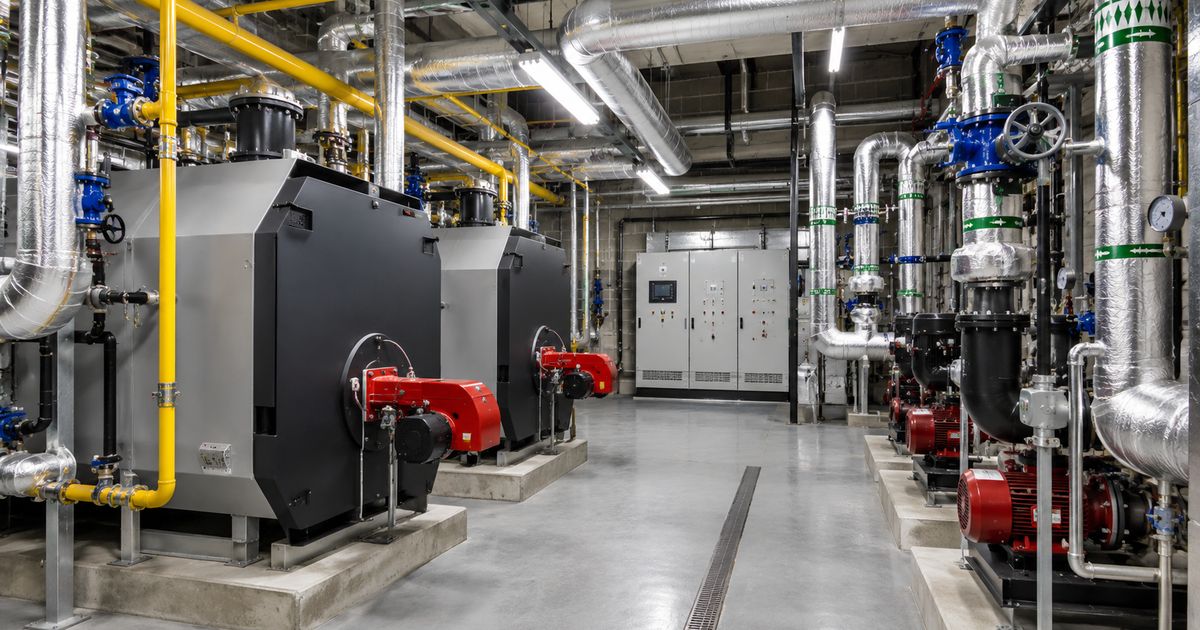
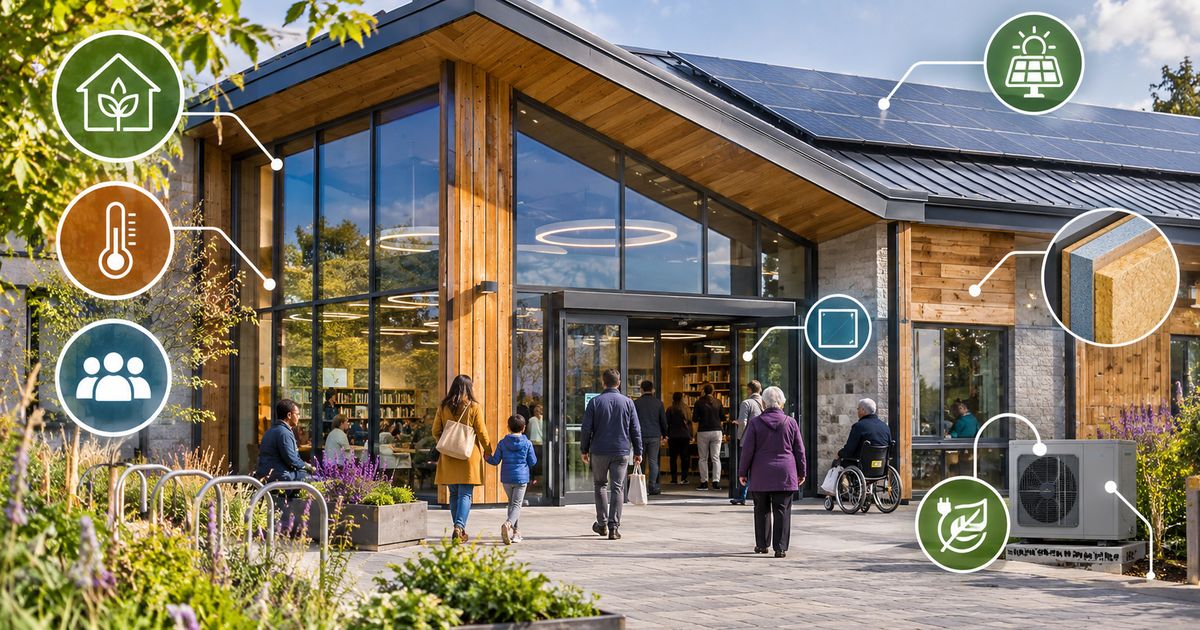
A long-term energy partnership is a contract, often 10 to 20 years, in which a council appoints one private partner to originate, develop, finance and deliver energy and decarbonisation projects across its estate and often the wider area. It suits councils with a big pipeline and a small team: one procurement replaces dozens. It works when the council keeps control of priorities, pipeline and reporting, and goes wrong when the pipeline is assumed rather than real.
What it is
Instead of procuring each project, the council procures a partner once, with a shared business plan and a pipeline of opportunities. Projects are then developed and contracted under that umbrella as they become viable. Scope typically covers some or all of: council building retrofit, solar and storage, heat networks, EV charging, street lighting, domestic retrofit and community energy.
The model is spreading. Coventry City Council runs a 15-year Strategic Energy Partnership with a private energy company.1 Brighton & Hove City Council has been exploring a Strategic Energy Partnership through market engagement,2 and Oldham Council launched a search for a long-term Strategic Energy Partner for its Green New Deal in March 2026.3
What it's good at
- Capacity. The partner brings engineers, project managers, commercial and funding expertise a council couldn't hire for itself.
- Finance. A partner with a balance sheet, or access to investors, can fund projects that pay back from savings or sales of power, so the council isn't the only source of capital.
- Pace. Projects go from idea to contract without a fresh procurement each time.
- Bundling. Strong-payback projects can carry harder ones, and small buildings can ride along with big ones.
- Social value. Long contracts can carry real commitments on local jobs, apprenticeships, supply chain and community benefit.
Where it goes wrong
- A pipeline on paper. If the business case rests on projects that turn out to be unviable, everyone's expectations, and any reported figures, are wrong from day one. Test the pipeline with measured data before you sign.
- Price targets that don't match reality. A council target price for power or heat that the market can't meet will stall projects. Agree how prices are tested and benchmarked.
- Losing the best projects. Be clear what happens when the partner declines a project: can the council or a community group take it on, and on what terms?
- Slow governance. Too many boards and too little delegated authority makes the partnership reactive. Keep decisions simple and close to the work.
- Under-resourcing the client side. The council still needs people who can set priorities, check proposals and hold the partner to account.
- Social value imbalance. Make obligations two-way. If the partner over-delivers on commitments while the council's side of the pipeline doesn't materialise, the relationship sours.
Partnership or framework?
A framework such as RE:FIT gives you a pre-procured route to an energy services company for a defined package of buildings, with guaranteed savings.4 Outside London, Local Partnerships looks after RE:FIT 5 and helps councils use it.5 A partnership goes further: a wider scope, a longer horizon and a shared plan to originate new projects. Many councils start with a framework call-off for their buildings and move to a partnership when the pipeline is big enough. See delivery models compared.
Signs you're ready
- You know your estate: every metered building ranked from measured data, not floor area estimates.
- You have a pipeline worth tens of millions, not a handful of projects.
- Members back a long-term approach and understand the trade-off between control and pace.
- You can resource a small, senior client team to run it.
- You've talked to potential lenders, such as the National Wealth Fund, about the finance mix.6
Sources
Checked 28 November 2026.
- Coventry City Council: Strategic Energy Partnership business plan summary
- Brighton & Hove City Council: Strategic Energy Partnership for Net Zero
- Oldham Council: search for a partner to deliver its Green New Deal programme (30 March 2026)
- Mayor of London: RE:FIT, the national carbon and energy performance contracting framework
- Local Partnerships: Energy Performance Contracting and RE:FIT 5
- National Wealth Fund: Regional Project Accelerator for local government
Questions people ask
What is a strategic energy partnership?
A long-term contract, often 10 to 20 years, in which a council appoints one private partner to develop, finance and deliver energy and decarbonisation projects across its estate and area, under a shared business plan.
How long do council energy partnerships last?
Typically 10 to 20 years. Coventry's Strategic Energy Partnership, for example, runs for 15 years.
What is the biggest risk in an energy partnership?
A pipeline that exists on paper but not in practice. Test the opportunities with measured data and realistic prices before signing, and agree what happens to projects the partner declines.