The right model depends on how many buildings you're tackling, who carries the risk and where the money comes from. Single projects suit a one-off. Frameworks save procurement time. Energy performance contracts guarantee the savings. Power purchase agreements fund solar without capital. Long-term partnerships cover the most ground but need the most governance.
| Model | Best for | Who funds it | Who carries performance risk | Watch out for |
|---|---|---|---|---|
| Single project, open procurement | One building or one measure | Council capital or grant | Council | Procurement effort per project; no bundling |
| Framework call-off | A defined package, procured quickly | Council, grant or borrowing | Depends on the contract | Check the framework's scope and fees fit your package |
| Energy performance contract (for example RE:FIT) | Multi-building retrofit with guaranteed savings | Council or borrowing, repaid from savings | Contractor, for the guaranteed savings | Measurement and verification has to be robust |
| Power purchase agreement (PPA) | Solar on buildings that use their output | Third-party funder | Funder, for generation | Long terms; price, end-of-term and roof access clauses |
| Long-term strategic partnership | A big pipeline across estate and area | Mix: partner, council, lenders, grants | Shared, project by project | Governance, a real pipeline and client-side capacity |
Energy performance contracts and RE:FIT
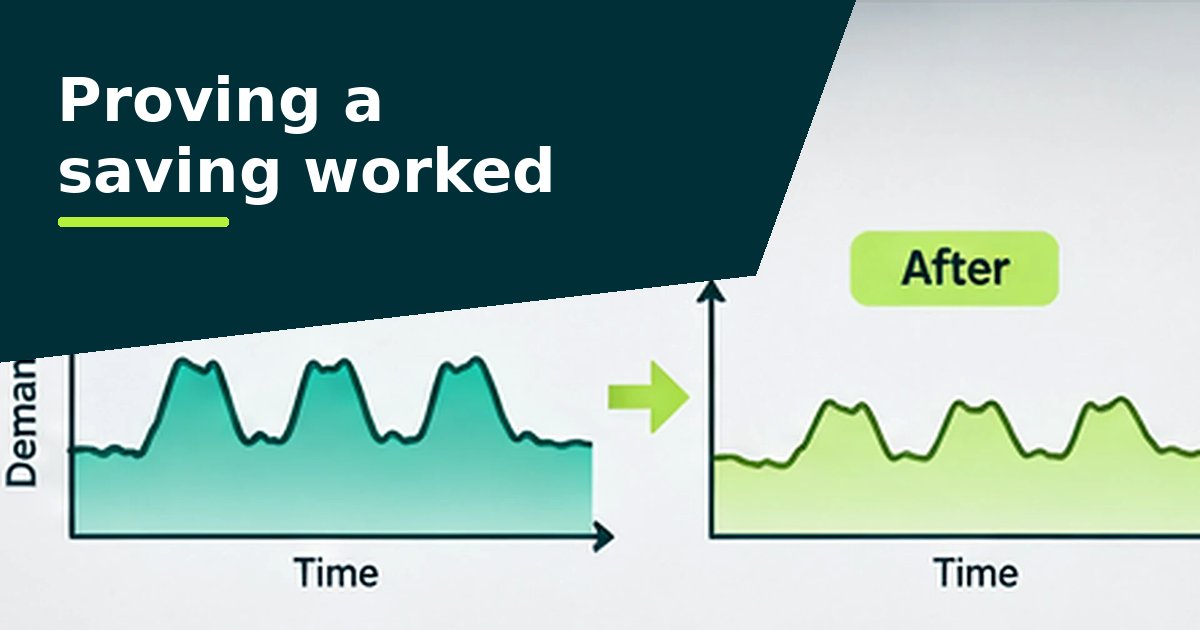
In an energy performance contract, an energy services company designs and installs a package of measures and guarantees the savings. If the savings fall short, the contractor makes up the difference. RE:FIT is the national framework for this in the UK public sector. RE:FIT 5 runs from 2026 to 2030.1 Outside Greater London, Local Partnerships is the custodian and helps councils procure a partner through it.2 RE:FIT is a procurement route, not a fund: it doesn't allocate money to projects.3
Power purchase agreements
A funder owns and maintains a solar system on your roof or land, and you buy the electricity it generates at an agreed price for a long term. It needs no capital, but it only works when the building uses most of what the system generates. That's why measuring the share you'd use from half-hourly data matters. See sizing solar from half-hourly data and paying for solar.
Judging value
Whichever route you use, compare options on cost per tonne of carbon saved over a project's life, alongside payback. For reference, PSDS Phase 4 capped grant at £510 per tonne of CO₂e saved over a project's life.4 For borrowing, the National Wealth Fund offers local authorities lending at gilts plus 40 basis points for strategically important projects.5
Sources
Checked 28 November 2026.
- Mayor of London: RE:FIT, the national carbon and energy performance contracting framework
- Local Partnerships: Energy Performance Contracting and RE:FIT 5
- Mayor of London: EIR response on the RE:FIT decarbonisation framework (July 2026)
- Salix Finance: Phase 4 Public Sector Decarbonisation Scheme, project criteria
- National Wealth Fund: Regional Project Accelerator offer (PDF)
Questions people ask
What is RE:FIT?
The national public sector framework for energy performance contracting. RE:FIT 5 runs from 2026 to 2030. It is a procurement route to energy services companies that guarantee savings, not a source of funding.
What is an energy performance contract?
A contract in which a provider designs and installs energy saving measures and guarantees the savings they will deliver. If the savings fall short, the provider pays the difference.
Can councils get solar without capital?
Yes, through a power purchase agreement, where a funder owns the system and the council buys its electricity. It works best on buildings that use most of the output, such as leisure centres.