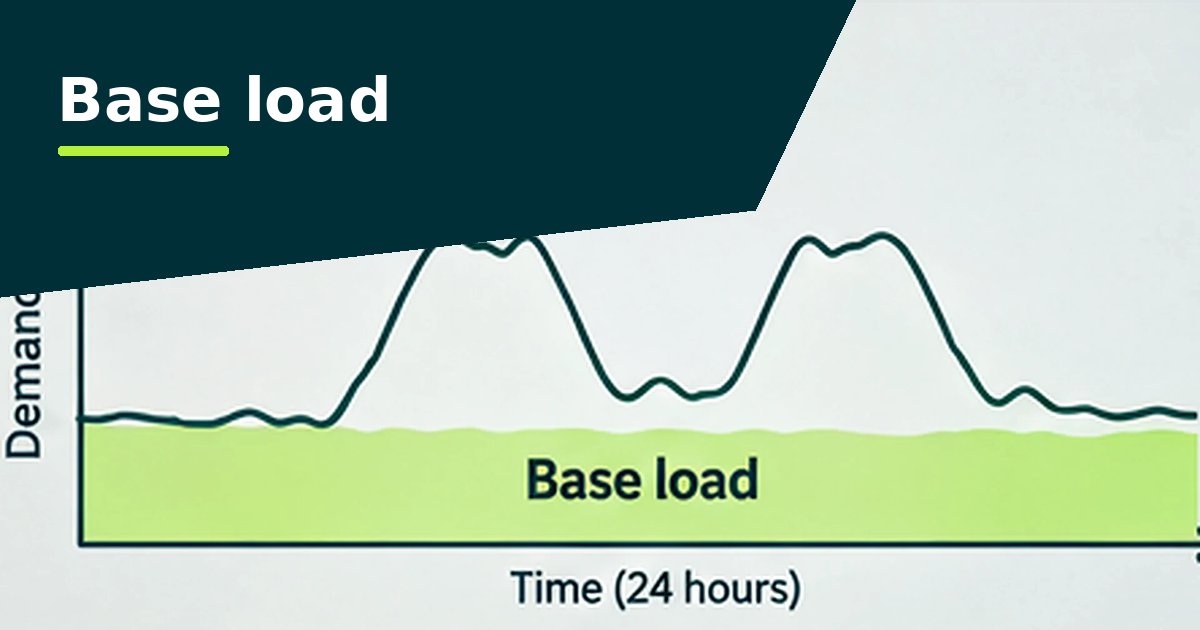
Out-of-hours use is electricity a building uses while it's closed, above what has to run all the time. On a council estate, look for it in civic offices, schools in the holidays, libraries, community centres and depots. The analyser measures it against each building's own opening hours, prices it at your rates and ranks every building, so the worst gets looked at first.
Where to look on a council estate
- Civic offices and town halls, often half-empty since hybrid working, but lit, heated and ventilated as if full.
- Schools in the holidays, where heating and ventilation often run to the term-time schedule for weeks with nobody in.
- Libraries and community centres, open a few days a week but on a weekday-every-day BMS schedule.
- Depots, where workshop heaters, compressors and yard lighting stay on after the shift ends.
- Museums, markets and visitor attractions with seasonal hours that the controls never learned.
In the analyser, set each building to its own preset (civic office, school, library or community centre, depot, or market and museum), then adjust the hours. Leave leisure centres on the leisure preset and true 24-hour buildings on the 24-hour preset.
Get the calendar right first
Every out-of-hours figure depends on the calendar. Council buildings have patterns that a simple office calendar misses: school term dates, evening lettings of school halls and community rooms, Saturday library opening, election days in polling stations, and council meetings in the evening. Add them as open hours or dated closures, so the figure only shows use that could be avoided.
Finding it in the data
- Rank the estate. Load every building at once and sort by closed-hours excess, so the worst school or office gets looked at first.
- Split it by type of day. Weeknights, Saturdays, Sundays and bank holidays each point to different causes.
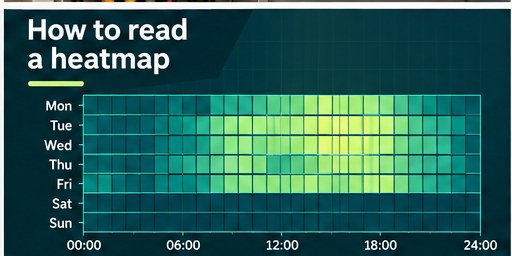
- Look at the heatmap. Nights and weekends should be pale. Darker blocks show what's running and when it started.
- Check the holidays. A school whose August looks like June has its plant on the term schedule.
What usually causes it
- Heating and ventilation on the wrong schedule, or on a weekday-every-day timer.
- Bank holidays and school holidays missing from the BMS calendar.
- One evening letting running the whole building, because the controls can't zone a single hall.
- Server rooms, comms cupboards and vending machines, some needed, many forgotten.
- External and car park lighting on timers that drifted, or photocells that failed on.
- Electric heaters and water heaters left on in empty spaces.
Fixing it
Most fixes are BMS schedule changes, holiday calendars and timers, and they cost little. Agree changes with whoever runs the building (the head teacher, the library manager, the depot supervisor) and keep anything that has to run for safety, security or water hygiene. Then check the next month's data: the closed-hours figure should fall and stay down. See proving a saving worked.
Questions people ask
How much out-of-hours use is normal?
It depends on the building, so compare similar buildings with each other. A civic office or library should fall close to its base load when closed; a big step above that is worth investigating.
What about school holidays?
Set schools to the school preset and add the holidays as dated closures. Holiday weeks are often where the biggest waste shows up, because plant runs to the term-time schedule with nobody in.
Will fixing it affect building users?
Done properly, no. Schedules should match real use, including evening lettings. Agree changes with the people who run each building before you make them.